Overvoltage protector
一、Purpose and applicable conditions
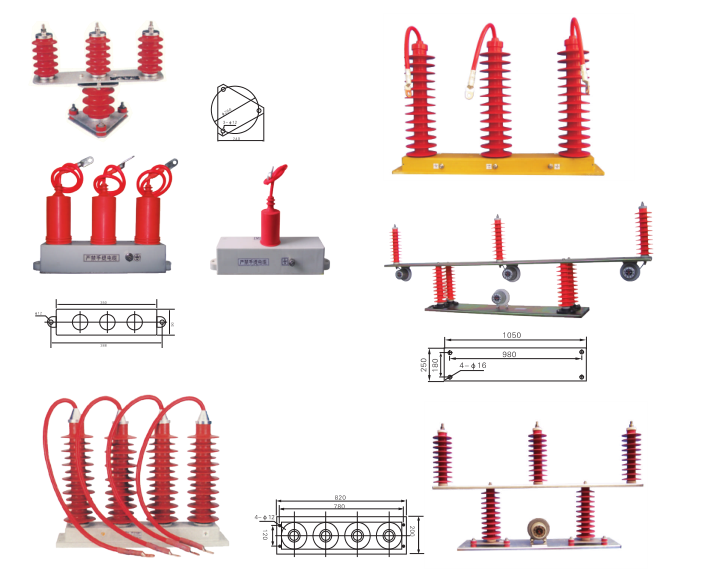
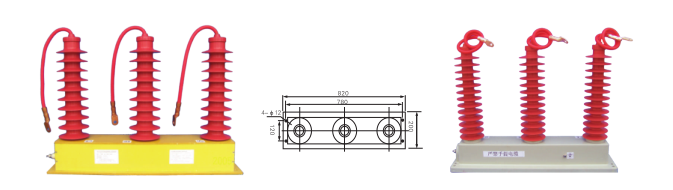
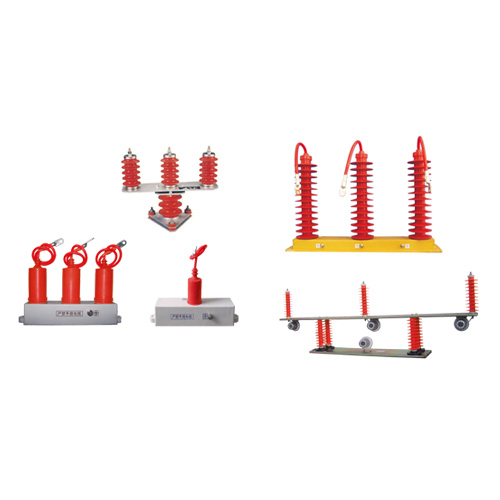
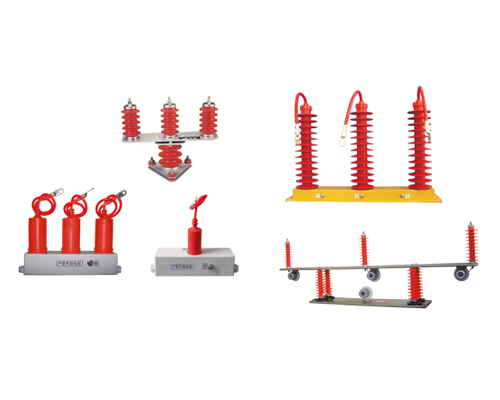
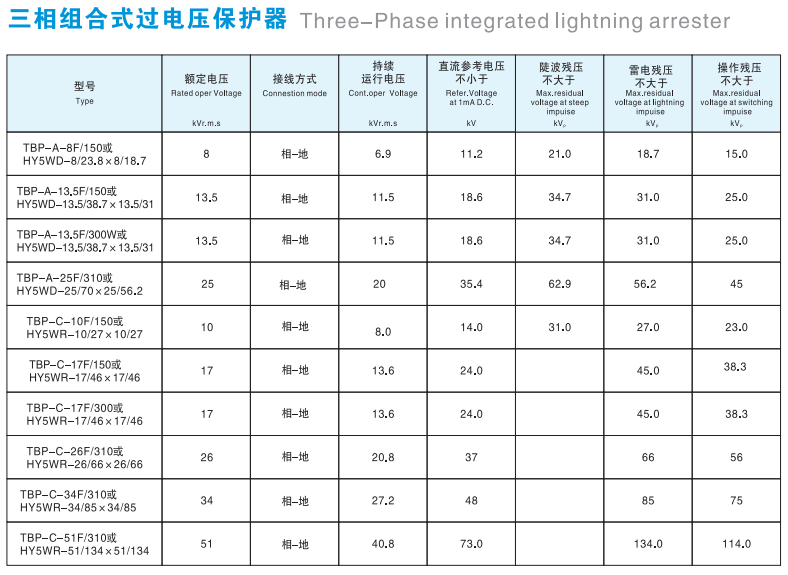
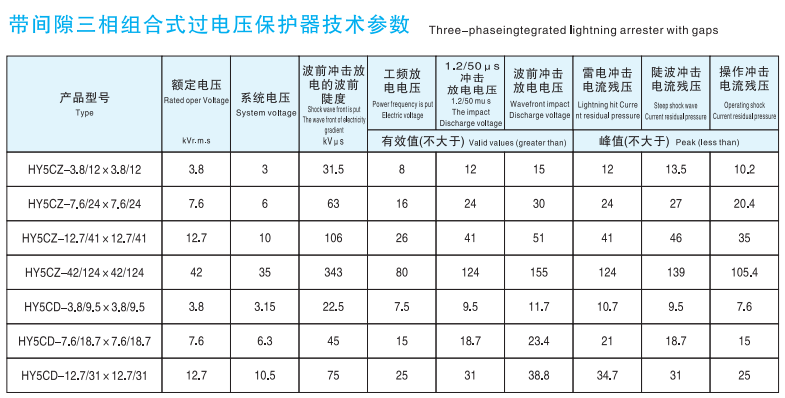
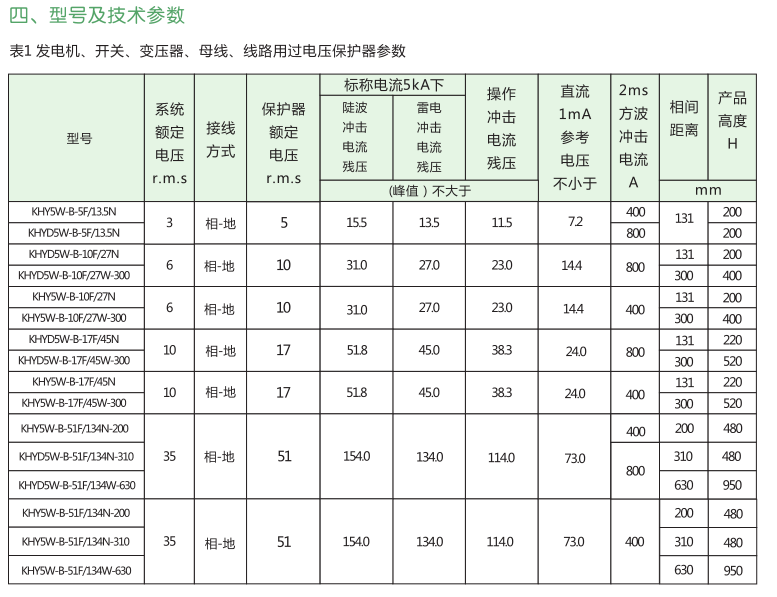
Electricity systems usually use circuit breakers to operate high-voltage motors. Therefore, during operation, operating overvoltages, especially intercepting overvoltages, reignition overvoltages, and breaking overvoltages, are easily generated. This operating overvoltage has a strong destructive effect on the motor stator coil and transformer winding, and insulation breakdown may occur in severe cases. Therefore, measures must be taken to limit the operating overvoltage to protect the safe and reliable operation of electrical equipment and expand the vacuum interruption. The scope of application of the device. The commonly used oxidizing arresters can only protect electrical equipment from phase-to-ground overvoltage damage, but cannot limit phase-to-phase overvoltage. Three-phase combined over-voltage protectors are two new types of over-voltage protectors designed according to market needs and aiming at the shortcomings of existing arresters. Its main components are composed of discharge electrode, metal oxide resistor, three-phase combined base, organic composite jacket, etc.; this novel and unique design and structure have incomparable advantages, a three-phase combined over-current protection It can replace six ordinary zinc oxide arresters. It is mainly used in power plants, substations and factory power systems. It is not only used for electrical equipment such as generators, transformers (including furnace transformers), switches, buses, motors, and parallel compensation capacitors. It can limit the lightning overvoltage, and also limit the operating overvoltage and phase-to-phase overvoltage of the power system, which provides a reliable protection for electrical equipment. This product can be used as overvoltage protection for high-voltage electrical equipment and other electrical equipment in a 3~35kV neutral point ungrounded system.
1.1 Ambient temperature: -40℃~+40℃, the altitude does not exceed 3000m, the maximum wind speed does not exceed 35m/s,
1.2 Power frequency is not more than 62Hz, not less than 48Hz
1.3 Areas with an earthquake intensity below 7 degrees are suitable for contaminated areas.
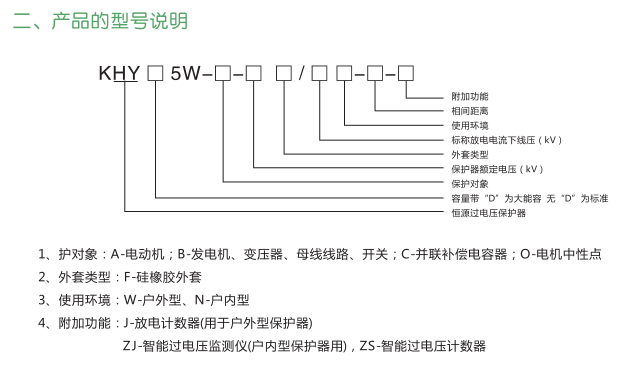
The three-phase combined over-voltage protector is a novel over-voltage protection device, which is mainly used in power systems below 35kV to protect electrical equipment such as transformers, switches, buses, motors, and parallel compensation capacitors. It can limit atmospheric over-voltage and Operating overvoltages caused by various vacuum circuit breakers, relative to ground and phase-to-phase overvoltages can all cause reliable limiting effects. The three-phase combined over-voltage protector is composed of four arresters to form a four-star connection, so that the overvoltages of each phase, ground and phase are protected. Due to the clever cooperation in structure, one over-voltage protector acts as six lightning arresters. At the same time, it overcomes the shortcoming that the simple star connection of three lightning arresters can not better protect the phase-to-phase overvoltage. The three-phase combined overvoltage protector can be a series gap type or a gapless type
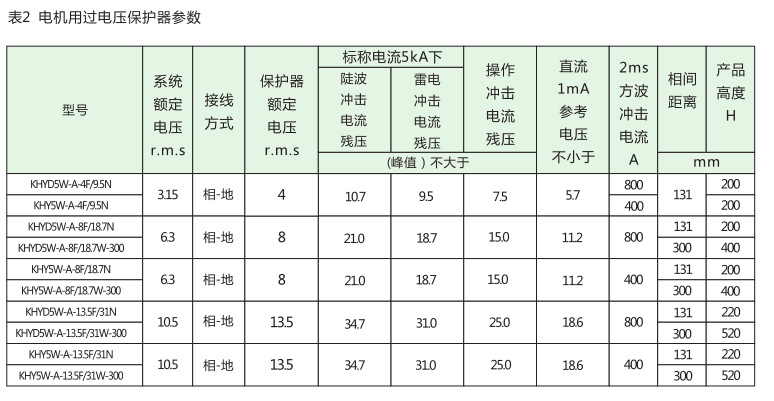
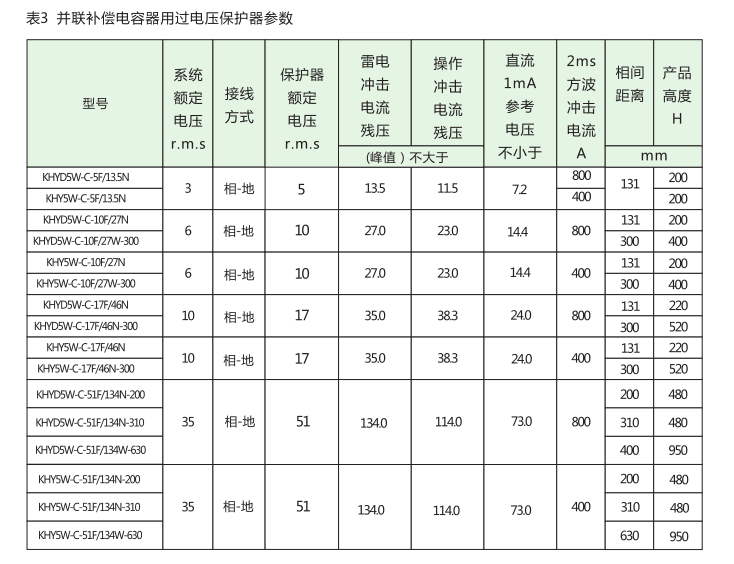
五、Test installation of protector and matters needing attention
1、Measure the leakage current under DC 1mA reference voltage and 0.75 times DC 1mA reference voltage
The test is carried out with a high-voltage direct current generator, and the direct-current high voltage is applied to A and D, B and D, C and D of the tested product respectively. Increase the output voltage of the test transformer slowly and evenly while observing the changes of the voltmeter and ammeter. When the ammeter shows 1mA, read the reading of the voltmeter, which is the reference voltage value. Then add 0.75 times the reading to both ends of the test, and the reading displayed by the ammeter is the leakage current.
2、Test notes∶
a. Remember that the traditional surge arrester test method cannot be used to perform the work discharge test on the overvoltage protector;
b. When doing the insulation test of other electrical equipment, the protector connection line should be removed;
c. This product is to do a preventive test every one to two years, and the dust on the outer surface of the protector is cleaned up at the same time.
3、Installation and precautions∶注意冷缩电缆终端技术
a. The indoor type can be installed upright in a variety of switch cabinets of different models. This type of product is directly connected to the switch cabinet "A", "B", "C" three-phase and grounding phase ("D" phase). The wire lug is outside the bare conductor, and the rest is enclosed by an insulator. Therefore, its phase-to-phase, relative ground (or cabinet) distance and requirements for cabinet installation space are correspondingly small, and it can be directly installed in the handcart chassis of the switch cabinet or Transformer room;
b. For the protector with intelligent monitor, first connect the protector body and monitor, (embedded installation in an easy-to-observe place, the shell must be grounded and fixed separately, and then connected by a seven-core shielded cable with an aviation plug. Installation size For details, please refer to the "Intelligent Overvoltage Monitor Manual";
c. When the protector is connected to the three-phase power supply (A, B, C) and the grounding terminal (D), the following matters must be paid attention to;
(1) The distance between the connecting noses on the cable should meet the requirements of the minimum safe distance between different phase live conductors of different voltage levels;
(2) The safety distance between the protector cables and the safety distance between the protector cable and the different-phase bus bar or cabinet) should not be less than the distance between the phases at the cable outlet of the protector (should be under the condition of cable tension );
(3) The length of the high-voltage cable should be selected according to the installation location, and the length should be appropriate. If it is too long, the phase cable can be bundled and fixed on the same phase busbar (line). It is strictly forbidden to bundle different phase cables together;
(4) When the user installs the protector on the handcart, first fix the B-phase of the protector directly to the B-phase position of the busbar, and then perform the wiring;
(5) It is strictly forbidden to carry the cable during installation, and at the same time, pay attention to avoid the high-voltage cable being cut by sharp objects.
d. After connecting the ground terminal of the pillar protector, wrap the exposed connection part with a heat shrinkable tube.