Drop-out fuse
Summary
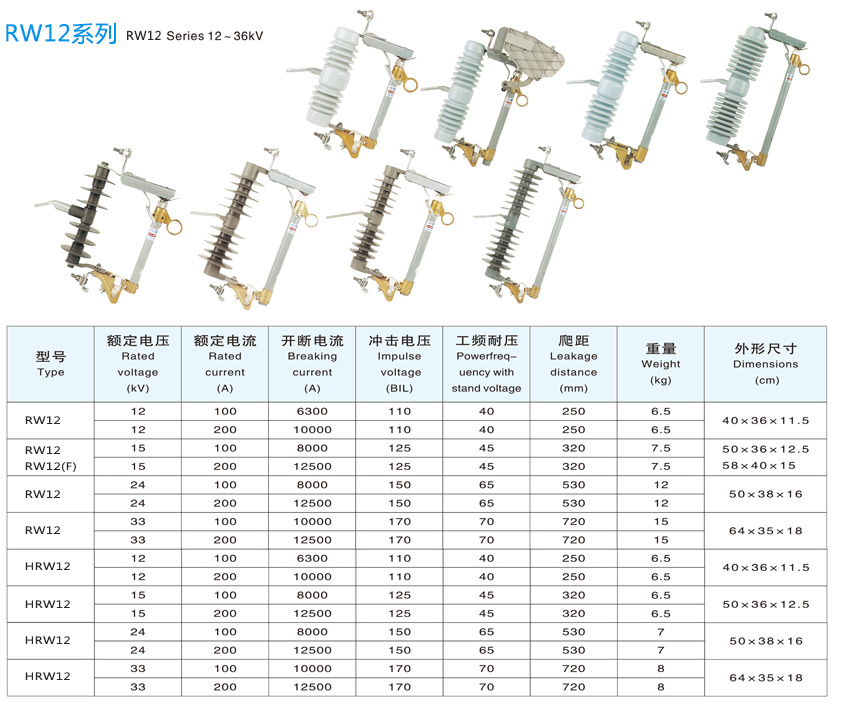
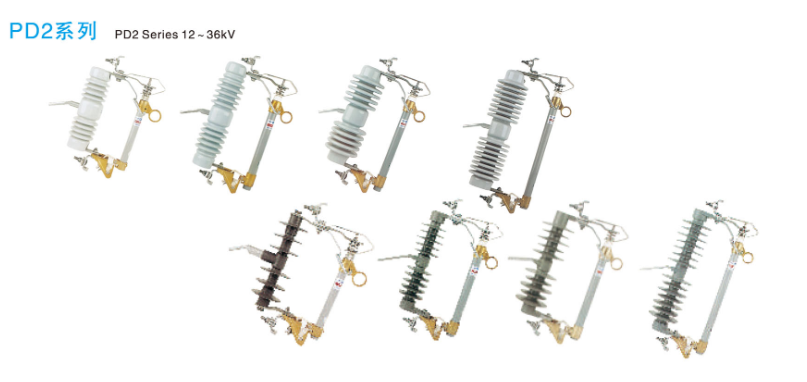
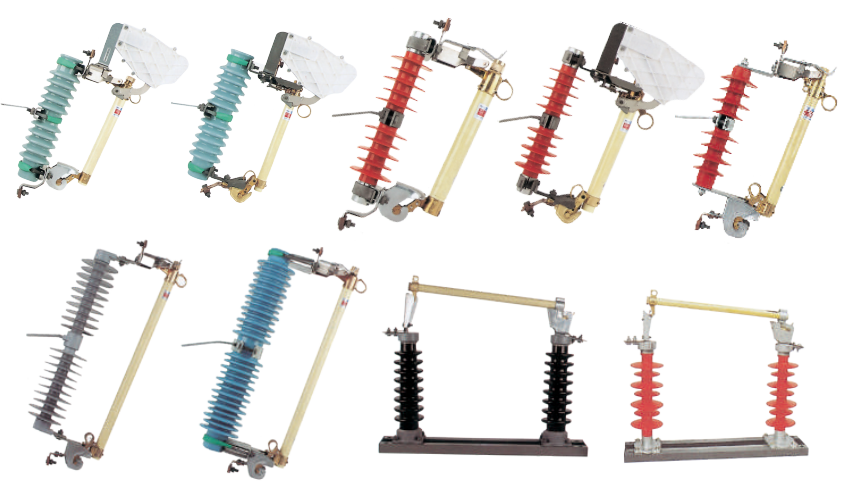
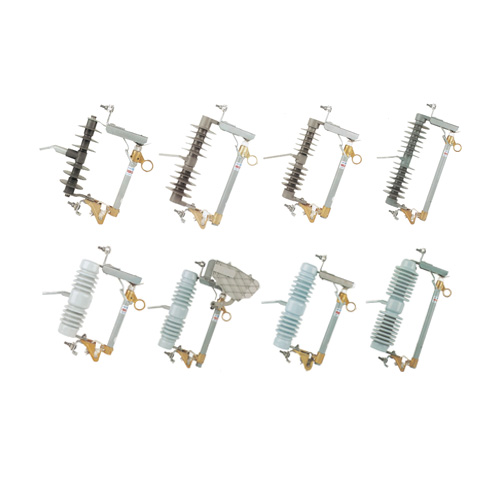
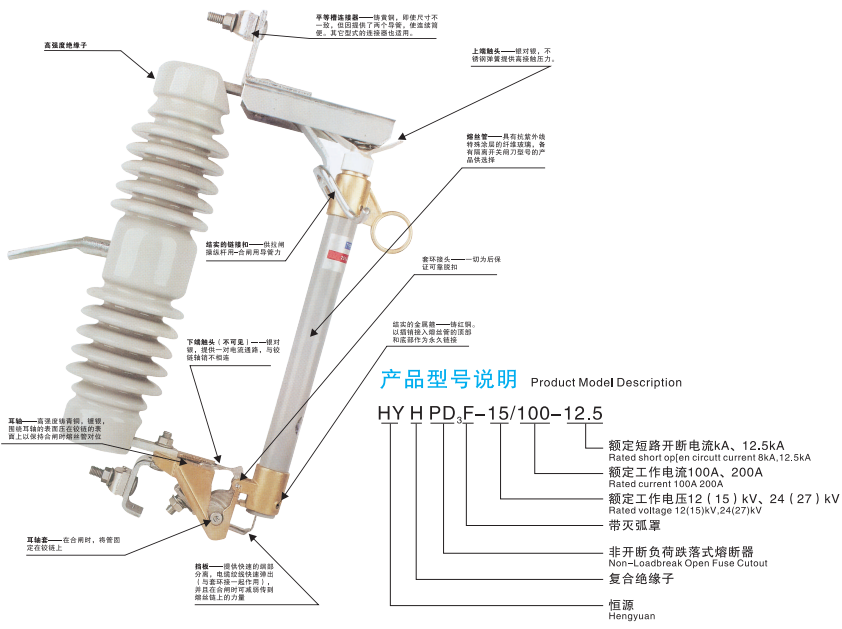
Drop-out fuse and load drop-out fuse are outdoor high-voltage protection electrical appliances. It is installed on the high-voltage side of the distribution transformer or on the branch and trunk line of the distribution line, and is used for short-circuit and overload protection of the transformer and the line, as well as the dividing and closing load current. The drop-out fuse is composed of an insulating support and a fuse tube. The static contact is installed on the two sides of the insulation support and the three ends, and the moving contact is installed on the fuse tube. It is composed of an inner arc suppression tube and an outer epoxy glass tube. The load-dropping fuse has a flexible auxiliary contact and an arc extinguishing cover for dividing and closing the load current.
When the drop-out fuse is in normal operation, the fuse tube is tensioned by the fuse to form a closed position. When the system fails, the fault current causes the fuse to blow quickly and an arc is formed. The arc extinguishing tube is heated by the arc and decomposes a large amount of gas, which causes a high pressure in the tube to form a longitudinal blow along the tube, and the arc is rapidly drawn. Long and extinguished. After the fuse is blown, the lower movable contact loses the pulling force and turns down, the pinning mechanism releases the fuse tube, and the fuse tube falls, forming an obvious breaking position. When the load needs to be pulled, use the insulating rod to pull the movable contact. At this time, the active and static auxiliary contacts are still in contact. Continue to use the insulating rod to pull the contact. The auxiliary contacts are also separated, and an electric arc is generated between the auxiliary contacts. The arc extinguishing hood is elongated in the slit, and the arc extinguishing hood generates gas at the same time, and the arc is extinguished when the current crosses zero.